The Art of Pruning in Huntersville: A Year-Round Guide to Healthier, Happier Plants
Pruning & Trimming Shrubs in Huntersville, NC
Pruning is more than just a seasonal task — it’s a vital part of landscape care that promotes plant health, enhances beauty, and maintains long-term structure. Here in North Carolina, where the growing season is long and our landscapes are lush, pruning isn’t something we do once a year — it’s something we manage all year long.
Table of Contents
Whether you’re shaping delicate ornamentals or revitalizing overgrown shrubs, this guide walks you through:
- What to prune and when
- Plants that benefit from specialty hand pruning
- Rejuvenation pruning tips
- Professional insights for homeowners
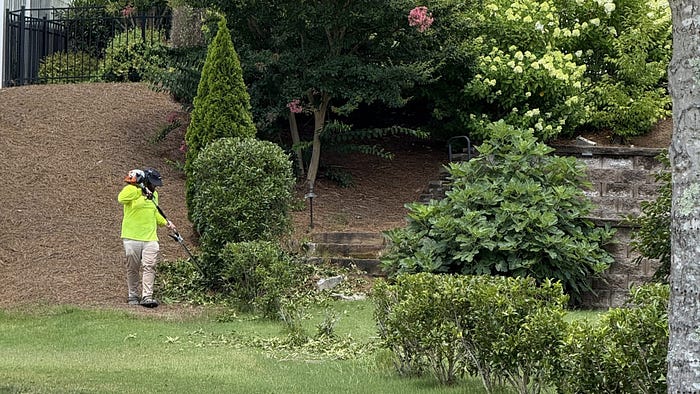
Why Prune?
Pruning helps:
- Remove dead, diseased, or damaged wood
- Improve airflow and light penetration
- Control size and shape
- Encourage flowering or fruiting
- Prevent structural issues
The 5 Golden Rules of Pruning:
- Remove the 5 D’s: dead, diseased, damaged, crossing, and directionally poor branches
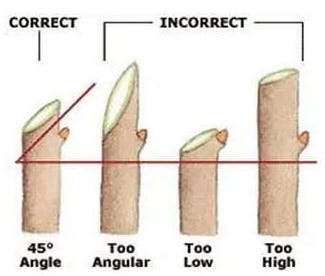
- Cut just above an outward-facing bud
- Use clean, sharp tools to make precise cuts
- Step back and observe the shape frequently
Looking for Trimming or Pruning Service in Huntersville, NC?
For Inquiries, Call A Cut Above Landscaping at (704) 266–0040 Today!
(704) 266–0040
Hand Pruning vs Shearing
Trimming a shrub generally means, “Keep it Tidy” or just shape to remove the new growth. Pruning typically means that you are reducing the plant in size or that some shrubs and trees require more precision than hedge shears can provide. Hand pruning preserves their natural form and promotes healthier growth.
Plants That Benefit from Hand Pruning:
- Azaleas
- Camellias
- Weeping Japanese Maples
- Redbuds
- Dogwoods
- Oakleaf & Mophead Hydrangeas
- Fothergilla
- Viburnum
- Ninebark
- Fringe Tree (Chionanthus)
- Loropetalum (if maintaining a natural look)
Use bypass pruners (not anvil-style) for clean cuts that avoid crushing the stems.
When to Prune: A Seasonal Guide
We prune year-round, but there are ideal times for specific goals and plants. Here’s what you need to know, starting with what’s relevant now.
Fall (Mid-September–November)
- Lightly shape shrubs like boxwood, hollies, abelia, and viburnum
- Remove dead or diseased wood
- Trim spent perennials
- Prune hydrangeas (oakleaf types) if needed
- Touch up growth on evergreens before the holidays
Note: Avoid heavy cuts to spring bloomers like azaleas or forsythia — they’ve already set buds for next year.
Winter (December–February)
An excellent time for dormant pruning — the structure is visible, and there’s less risk of disease:
- Crepe Myrtles — Prune in February; remove crossing branches, but never top them.
- Butterfly Bushes (Buddleia) — Cut back to 12–24″ in February.
- Nandina — Remove 1/3 of oldest canes to promote new growth.
- Roses — Cut hybrid teas and knockouts back in late February.
- Ornamental Grasses — Cut to 6″ between January and early March.
- Weeping Maples & Redbuds — Hand prune before sap rises (January–February).
Spring (March–May)
- Prune Camellias and early bloomers after flowering.
- Cut back perennials like salvia, rudbeckia, coneflowers, and Russian sage.
- Continue shaping maples and ornamental trees as needed.
- Remove any winter die-back.
Summer (June–August)
- Lightly shear hedges: boxwood, holly, ligustrum, etc.
- Deadhead flowering shrubs and perennials to encourage more blooms.
- Avoid hard pruning of azaleas after July 4, or you’ll sacrifice next year’s flowers.
- Keep an eye out for suckers, especially on crape myrtles and trees.
Tip: Water well after any significant pruning during hot months.
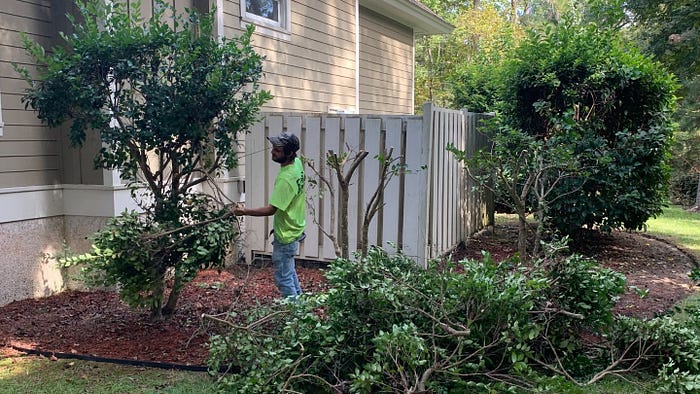
Rejuvenation Pruning: When to Reset Overgrown Shrubs
Got leggy, woody, or overgrown shrubs? Rejuvenation pruning can bring them back to life.
Best Time:
- Late winter to early spring (February–March) is ideal.
- Plants are dormant and have time to recover through the growing season.
Methods:
- Renewal pruning: Remove 1/3 of the oldest stems to the ground each year.
- Full rejuvenation: Cut the entire plant down to 6–12” above ground (only for certain species).
Shrubs that handle rejuvenation well:
- Abelia
- Loropetalum
- Spiraea
- Ligustrum
- Butterfly Bush
- Hydrangea arborescens (‘Annabelle’)
- Nandina
- Holly (some varieties)
A fresh cut in February can give tired shrubs a brand-new look by June.
Quick Reference: NC Plant Pruning Calendar
Plant
Best Time to Prune
Notes
Azaleas
After bloom, by July 4
Hand prune only
Camellias
After bloom
Shape selectively
Crepe Myrtles
February
Remove crossing limbs only
Butterfly Bush
February
Cut back to 12–24”
Nandina
February
Thin old canes to base
Roses
February
Prune before new growth
Ornamental Grasses
Jan–March
Cut back to 6″
Hydrangea (arborescens)
Feb–March
Can handle rejuvenation
Japanese Maples
February or summer
Hand-prune only
Boxwood & Holly
Spring–Fall
Shear or hand-prune
Trust the Pros at A Cut Above Landscaping
We don’t just “trim bushes” — we practice purposeful, horticulturally sound pruning to preserve the health, beauty, and natural form of your landscape. Whether your boxwoods need a fall touch-up or your azaleas are begging for a careful hand prune, we’ve got you covered.
Ready to schedule your fall or winter pruning?
Let’s walk your property together and build a plan that fits the season — and your landscape goals.
Call or message A Cut Above Landscaping today and let’s give your landscape the love it deserves — year-round.
Ready to Schedule Your Trimming or Pruning in Huntersville, NC?
Call A Cut Above Landscaping at (704) 266–0040!
We Also Serve the Following Areas
A Cut Above Landscaping — Lawn Care Services
14311 Reese Blvd A2–405, Huntersville, NC 28078
(704) 266–0040
The post The Art of Pruning in Huntersville:
A Year-Round Guide to Healthier, Happier Plants appeared first on A Cut Above Landscaping, LLC

Comments
Post a Comment